

Custom‑Men’s Autumn Shirts: Bulk Options for Retail & Uniform Projects
August 27, 2026
When temperatures drop but a heavy jacket is still too much, a well-designed fall shirt becomes the most useful piece in a men’s wardrobe. It can be worn over a T-shirt, under a coat, or as a light outer layer for commuting, travel, workwear, and outdoor use.
For private-label brands, this category offers strong product-line potential. However, a successful OEM custom men’s fall shirt requires more than selecting a seasonal color. Fabric weight, hand feel, layering ease, shrinkage, decoration, and bulk consistency must all be controlled from the development stage.
Position the Fall Shirt as a Flexible Layering Piece
A fall shirt should provide more structure and warmth than a basic woven shirt while remaining lighter and easier to wear than a jacket. This positioning allows brands to develop several variations from one core block:
-
Brushed flannel overshirt for casual collections
-
Cotton twill shirt for workwear-inspired lines
-
Cotton-polyester shirt for easier care and better dimensional stability
-
Corduroy or textured fabric shirt for seasonal fashion ranges
-
Lined overshirt for cooler weather and transitional outerwear
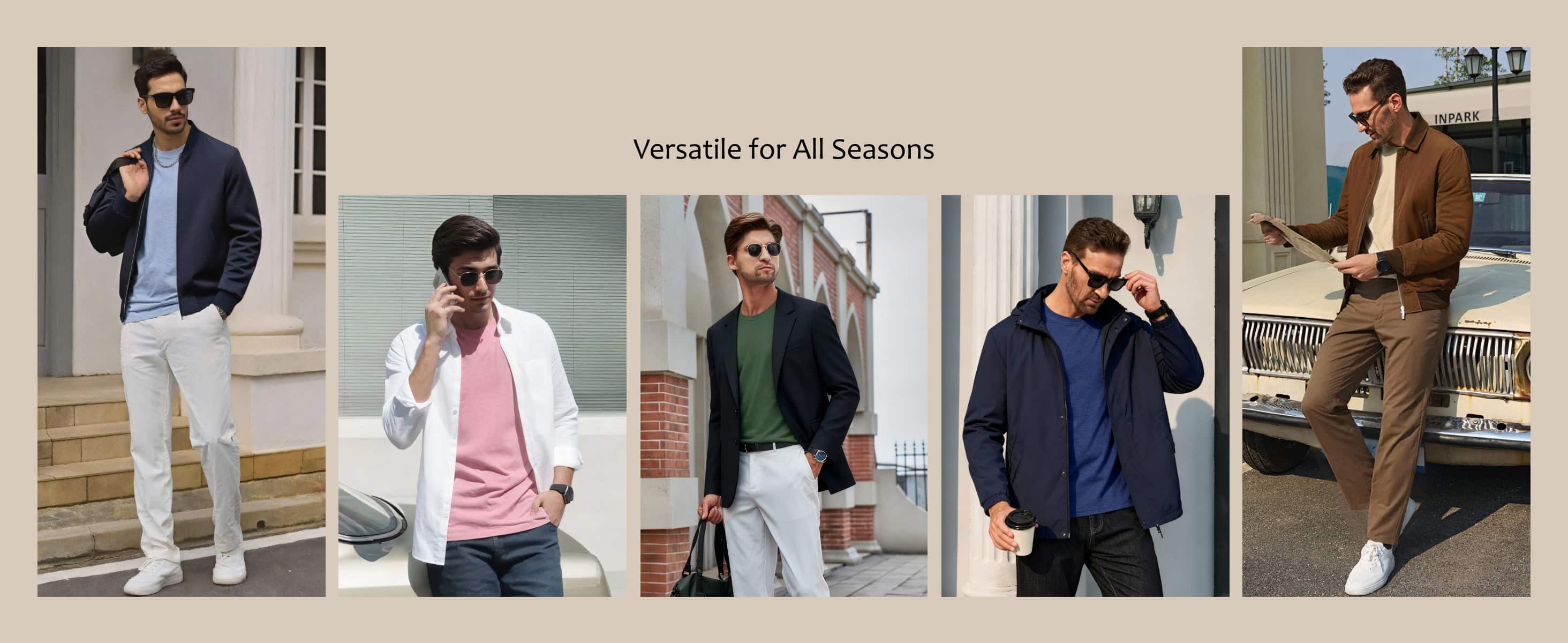
The correct product direction depends on the target market. A shirt designed for mild autumn weather may prioritize breathability and softness. A heavier overshirt for northern climates may require more body, lining, pocket capacity, and wind protection.
Select the Fabric According to End Use
Fabric choice determines the shirt’s warmth, appearance, durability, and production cost. Buyers should evaluate both the fiber content and the actual finished-fabric performance.
| Fabric direction | Main advantages | Points to verify |
| Brushed cotton flannel | Soft hand feel and seasonal warmth | Pilling, shrinkage, colorfastness, nap consistency |
| Cotton twill | Structured appearance and abrasion resistance | Stiffness, seam slippage, dimensional change |
| Cotton-polyester blend | Easier care and improved shape retention | Fiber ratio, hand feel, color matching |
| Corduroy | Distinctive texture and premium seasonal look | Wale consistency, rubbing fastness, cutting waste |
| Lightweight quilted or lined fabric | Additional warmth and outer-layer function | Bulk at seams, lining movement, wash durability |
Fabric weight is an important development reference, but it should not be treated as a guarantee of warmth. As a starting point, a regular fall shirt may be developed around a medium-weight woven fabric, while an overshirt may use a heavier fabric with more structure. The final choice should be confirmed through hand-feel review, fitting, and performance testing.
Build Ease for Layering
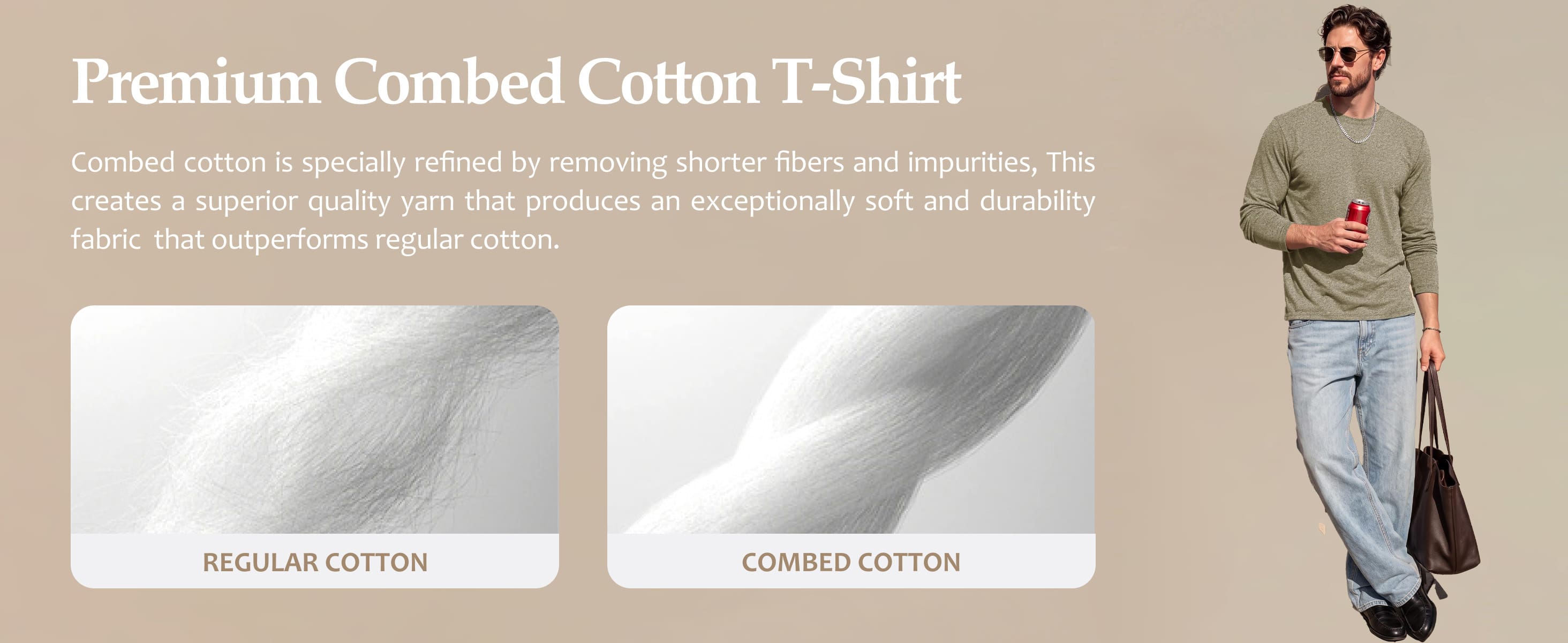
A common mistake is to develop a fall shirt using the measurements of a close-fitting regular shirt. If the product is intended to be worn over a T-shirt or knitwear, the pattern must allow additional ease through the chest, armhole, sleeve, and back.
The shoulder line should support layering without making the garment look oversized. Sleeve length and cuff construction also require attention because a tight cuff can restrict movement when another layer is worn underneath.
For overshirt styles, buyers may consider:
-
Slightly increased chest and bicep ease
-
A reinforced front placket
-
Adjustable cuffs or snap closures
-
Chest pockets sized for practical use
-
Side vents or a shaped hem for movement
-
Stronger buttons or metal snaps
-
Bar-tacks at pocket corners and other stress points
These details influence both customer satisfaction and manufacturing cost. A professional supplier should explain the effect of each construction choice on sewing time, trim cost, and final appearance.
Plan Private-Label Details Before Sampling
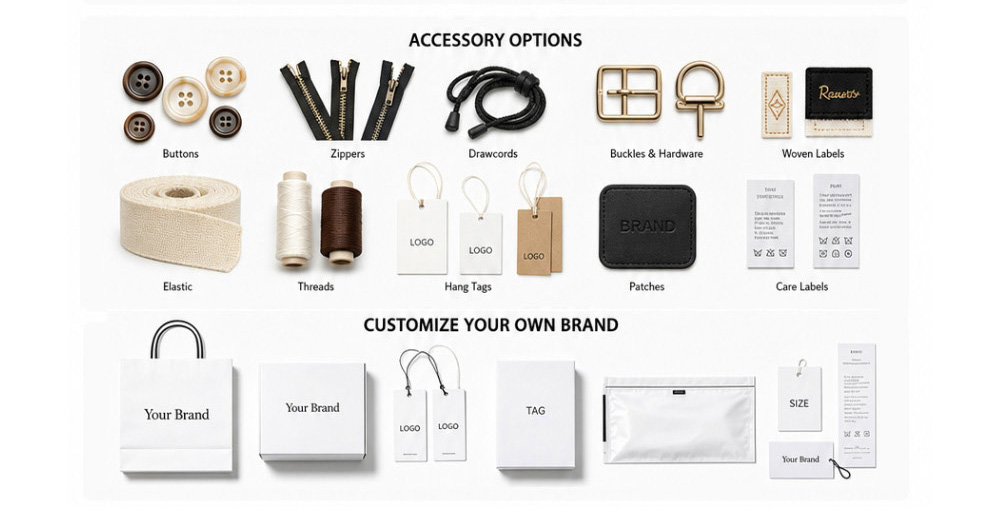
A private-label fall shirt may include woven labels, printed care labels, custom buttons, embroidery, patches, hangtags, packaging, and branded carton markings. These elements should be included in the technical pack before the final sample is approved.
Decoration placement must work with the fabric surface. Embroidery on a soft brushed fabric may require backing and density adjustments. A patch or label placed near a pocket, placket, or curved seam can affect sewing accuracy. Screen printing on textured or brushed fabric should be tested for coverage, adhesion, cracking, and wash durability.
For a clean private-label line, all visible details should be specified clearly:
-
Brand label dimensions and position
-
Care and fiber-content labeling
-
Button, snap, zipper, and trim references
-
Artwork size, color, and placement
-
Thread color and stitch density
-
Packaging and folding requirements
-
Approved color standard and shade tolerance
Verify the Finished Garment, Not Only the Fabric
Fabric certificates and supplier test reports are useful, but the finished shirt still requires its own quality checks. Important verification points may include:
-
Fiber composition and finished GSM
-
Dimensional stability after washing
-
Colorfastness to washing, rubbing, and perspiration
-
Pilling or surface abrasion resistance
-
Seam strength and seam slippage
-
Button or snap attachment strength
-
Fabric-to-trim color matching
-
Fit across the full size range
-
Decoration adhesion and wash durability
If the shirt is marketed as wind-resistant, water-repellent, easy-care, or performance-oriented, those claims should be supported by method-specific testing. A visual reference can communicate silhouette, pocket layout, or color direction, but it cannot confirm composition, warmth, durability, or test results.
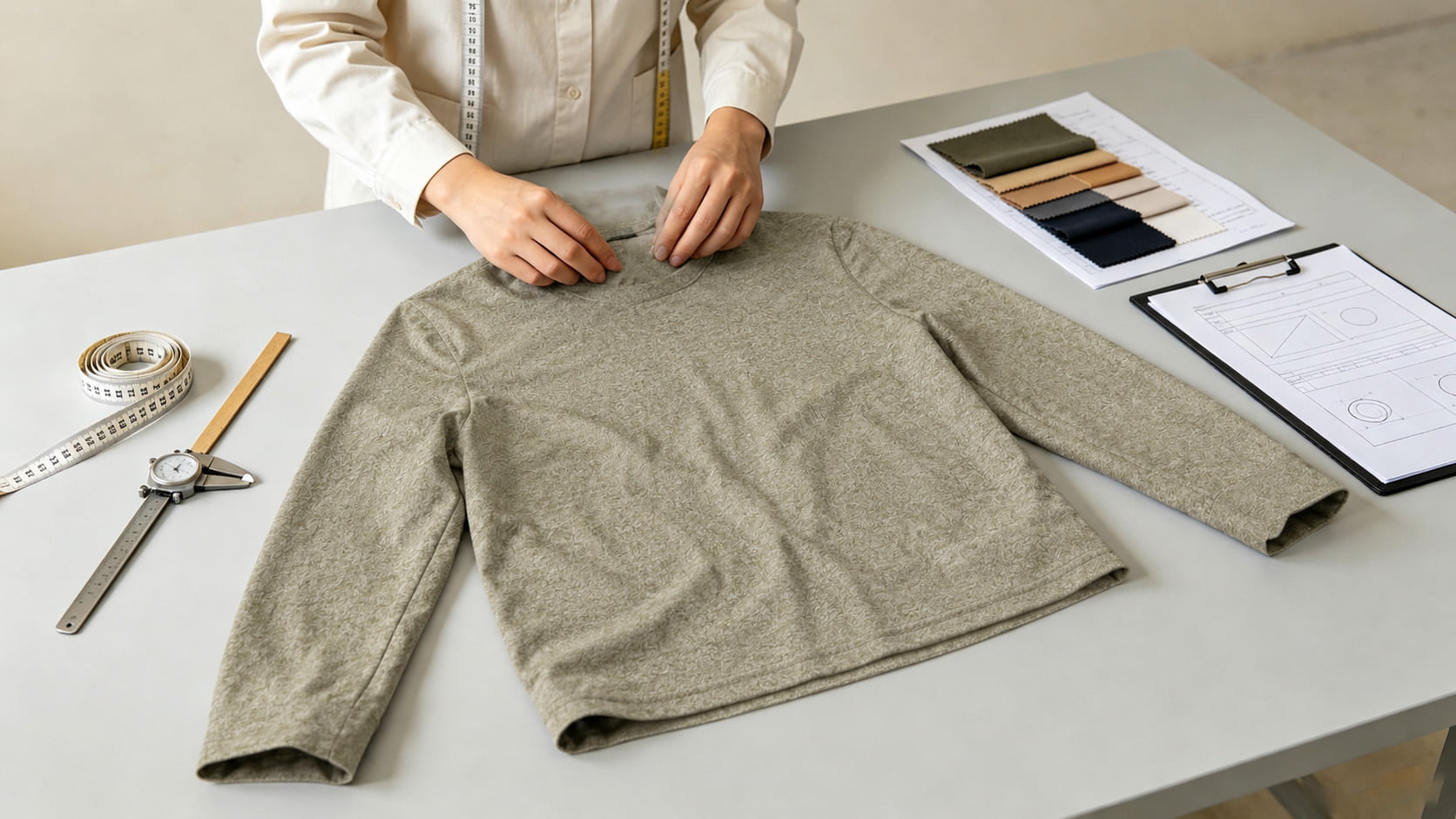
Use Sample Comparison to Reduce Bulk Risk
The first prototype should be evaluated for more than appearance. Buyers should compare the sample against the technical pack and check whether the garment remains comfortable when layered over the intended base garment.
A useful sample review covers:
-
Measurement tolerances
-
Collar and placket balance
-
Sleeve mobility
-
Pocket position and reinforcement
-
Shrinkage after laundering
-
Surface changes after wear or rubbing
-
Decoration quality after washing
-
Shade consistency between panels and trims
Before bulk production, a size set or pre-production sample helps confirm grading and construction across sizes. The approved sample should remain the production reference, supported by a clear BOM, measurement chart, artwork file, color standard, and inspection criteria.
Control Total Cost Across the Product Life Cycle
The lowest unit price may not produce the lowest total cost. A fall shirt with unstable fabric, high shrinkage, weak buttons, or inconsistent finishing can create claims, rework, and difficult reorders.
When comparing OEM suppliers, buyers should consider:
-
Fabric yield and cutting efficiency
-
Availability of repeatable seasonal fabrics
-
Custom trim and packaging costs
-
Sampling and testing requirements
-
Production capacity during peak seasons
-
Reorder lead time
-
Inspection and corrective-action procedures
-
Ability to maintain the approved hand feel and shade
A capable OEM partner should help translate the brand concept into measurable specifications. The goal is a fall shirt that looks consistent across colorways and sizes, performs reliably after washing, and can be reordered without major changes in fit or appearance.
For private-label brands, the strongest custom men’s fall shirt programs begin with a clear use scenario, a suitable fabric platform, and evidence-based sample approval. When pattern, finishing, decoration, testing, and bulk controls are managed together, one seasonal shirt can become a dependable foundation for an entire autumn layering collection.